Tel: +33768734502 | Email: opusprojectmaneger@gmail.com.

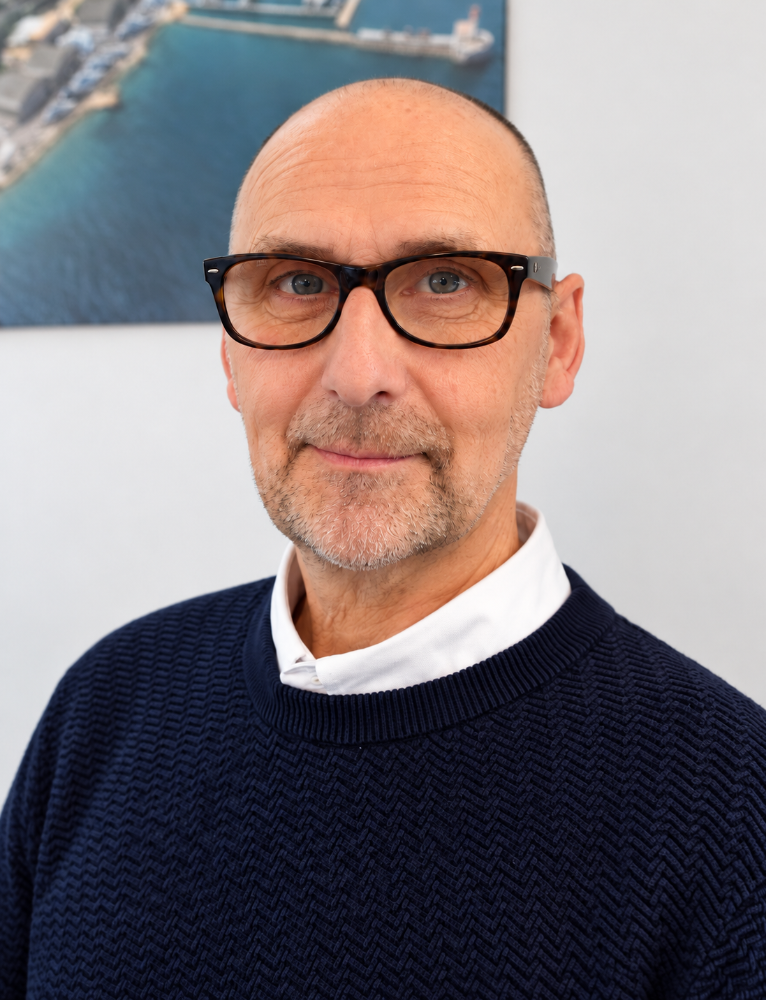
ABOUT OPUS
PRACTICAL EXPERIENCE. STRUCTURED PROJECT CONTROL.
OPUS Project Management was developed from more than 25 years of practical experience across yacht construction, refit, repair, warranty, technical recovery and project delivery.
My route into project management was not through a conventional business-school or naval-architecture career path.
It developed through the shipyard.
I learned by working alongside trades, engineers, production teams, subcontractors, surveyors, Captains and Owners’ Representatives, progressively taking responsibility for larger and more complex yacht projects.
That practical foundation remains central to the way I manage projects today.
Understanding how work is actually carried out onboard makes it easier to identify unrealistic programmes, incomplete scopes, technical interfaces, contractor risks and potential delays before they become expensive problems.
Over time, the role developed from technical coordination into full project responsibility covering:
-
Scope and contractual review
-
Project planning and Gantt scheduling
-
Budget and commercial control
-
Contractor quotations and negotiation
-
Progress valuation and billing
-
Variation and change management
-
Risk and issue management
-
Class, Flag and technical coordination
-
Client and Captain communication
-
Quality control and inspection
-
Commissioning and sea trials
-
Project close-out and final reporting
Recent shipyard responsibilities have included yacht projects valued from approximately €800,000 to €6 million, yachts from 40m to 80m, coordination of up to 35 contractors and specialist suppliers, and management of up to seven yacht projects concurrently.
PROJECT MANAGEMENT IN PRACTICE
For me, project management is not simply maintaining a programme or producing reports.
It is maintaining control of the complete project.
That means understanding the technical work sufficiently to challenge assumptions, knowing when specialist engineering input is required, understanding the commercial consequences of decisions and ensuring that the Captain, Owner’s Representative, yard and contractors are working from the same information.
A Project Manager does not need to be the specialist engineer for every system onboard.
The responsibility is to ensure that the correct specialist is engaged, the proposed solution is technically appropriate, the commercial and programme consequences are understood and the work is controlled through to testing and acceptance.
COMMERCIAL RESPONSIBILITY
Technical decisions and commercial decisions are closely connected during a yacht refit.
Unforeseen work can affect budget, programme, contractor resources and vessel delivery.
My approach is to establish the technical requirement, obtain appropriate solutions and quotations, assess programme impact and present clear options to the client before additional work proceeds.
This can involve balancing:
Cost
Time
Technical risk
Operational requirement
Contractual responsibility
On one major refit, an initial contracted scope of approximately €600,000 developed into a final approved project value of approximately €1.8 million.
The additional work was not simply added to the project.
It was identified, technically assessed, quoted, commercially reviewed, presented for client approval and then controlled through execution and billing.
This is the type of discipline that protects both the client and the project.
PROJECT GOVERNANCE
My practical project-management experience has also been strengthened through independent study of the PRINCE2 project-management framework.
I do not present myself as PRINCE2 certified.
I have studied the methodology independently and use its governance and control principles to formalise working practices developed over many years in live yacht projects.
These include:
-
Defined scope and responsibility
-
Programme baseline and stage control
-
Risk identification and mitigation
-
Issue and change control
-
Quality criteria
-
Progress monitoring
-
Decision and approval structure
-
Project close-out
-
Lessons learned
The objective is not to impose unnecessary administration.
It is to introduce enough structure to make the project measurable, transparent and controllable.
OWNER, CAPTAIN & SHIPYARD INTERFACE
A large part of successful project management is communication.
Captains and Owners’ Representatives need clear information without unnecessary technical noise.
Shipyards and contractors need decisions, priorities and defined responsibilities.
Specialists need access, information and realistic programme expectations.
Management needs visibility of cost, risk and progress.
The Project Manager sits between these groups and maintains alignment.
That requires technical understanding, commercial judgement, diplomacy and the confidence to raise difficult issues early.
PROFESSIONAL APPROACH
My working principles are straightforward:
Establish the scope clearly.
Build a realistic programme.
Control cost and change.
Identify risk early.
Stay close to the work.
Communicate accurately.
Document decisions.
Verify completion.
Close the project properly.
This approach has been developed through years of practical shipyard experience rather than theory alone.
OPUS PROJECT MANAGEMENT
OPUS supports Owners, Captains, yacht-management companies, shipyards and project teams requiring experienced project leadership across:
Yacht Refit
Technical Management
Owner Representation
Project Recovery
Commissioning & Redelivery
The objective remains the same on every project
SELECTED PROJECT EXPERIENCE
PRACTICAL DELIVERY ACROSS COMPLEX YACHT REFIT & TECHNICAL PROGRAMMES
The projects below represent selected examples of refit, repair, technical recovery, Class-related works and new-build completion undertaken during my career.
Where required, vessel names and Owner information have been withheld for confidentiality.
The purpose of these examples is not simply to list yachts.
They demonstrate the type of responsibility carried by the Project Manager across:
Scope • Programme • Commercial Control • Technical Coordination • Risk • Contractors • Client Interface • Commissioning • Redelivery
80m HERITAGE MOTOR YACHT
MAJOR CLASS REFIT & TECHNICAL RECOVERY
Vessel: 80m heritage steam yacht
Project value: approximately €4 million
Classification: RINA
Project type: Major dry-dock / technical refit
A technically demanding refit involving a historic riveted hull, steam machinery, propulsion, boilers, structural works, deck renewal and extensive Class survey requirements.
Project Responsibilities
-
Coordinated dry-dock entry and dead-ship vessel movements
-
Managed hull-thickness testing and structural assessment
-
Coordinated Class survey requirements and technical inspections
-
Managed structural and hot-work programmes
-
Coordinated shaft-line and propulsion inspections
-
Managed Azipod / thruster-related work packages
-
Coordinated steam-engine and boiler overhaul works
-
Managed overboard-valve renewal
-
Coordinated electrical Megger testing
-
Managed deck and teak renewal programmes
-
Maintained programme, contractor and stakeholder coordination
-
Supported commissioning and sea-trial preparation
-
Managed progress reporting through redelivery
The project required close coordination between the Owner’s Representative, Captain, Class, yard departments and specialist contractors.
The age and construction of the vessel required careful technical judgement and an approach adapted to heritage construction rather than modern yacht-building assumptions.
70m BENETTI MOTOR YACHT
PROPULSION VIBRATION & TECHNICAL RECOVERY
Vessel: 70m Benetti
Project type: Major refit / technical recovery
A technically complex project involving investigation and resolution of long-standing propulsion vibration and alignment problems alongside extensive multidisciplinary refit works.
Project Responsibilities
-
Coordinated technical investigation into propulsion vibration
-
Managed specialist engineering interfaces
-
Coordinated alignment and diagnostic works
-
Managed shipyard and subcontractor interfaces
-
Maintained programme priorities and corrective actions
-
Coordinated associated paint, HVAC, tank, electrical and lifting works
-
Managed Captain / vessel-management communication
-
Maintained risk and issue visibility
-
Coordinated technical follow-up through testing and completion
The project required continuous communication between technical specialists, the yacht, shipyard and subcontractors while maintaining progress on the wider refit programme.
50m BENETTI MOTOR YACHT
PROPULSION, STABILISER & CLASS REFIT
Project value: approximately €2 million
Project type: Major technical refit
The yacht entered the yard with an extensive planned work list.
During the refit, additional major technical defects were identified, increasing the scope while reducing the time available before scheduled departure.
Technical Scope
-
Port and starboard stabiliser removal
-
Stabiliser shaft inspection and replacement
-
Gearbox and fin works
-
Investigation of persistent vessel vibration
-
Flexible-coupling / Centaflex corrective works
-
Thrust-bearing renewal
-
Main-engine alignment
-
Propeller-shaft laser alignment
-
Class follow-up
-
Final testing and sea-trial preparation
Project Management
The revised scope required continuous re-planning, contractor coordination and commercial control.
Additional works were assessed, quoted and incorporated while maintaining the project departure date.
The yacht ultimately departed:
On programme
Within the agreed budget
With works completed to the required standard
The vessel’s Captain subsequently provided a written professional reference confirming that successful delivery would not have been possible without the Project Manager’s contribution.
47–50m HEESEN MOTOR YACHT
MAJOR MULTIDISCIPLINARY REFIT
Project value: approximately €6 million
Project type: Major refit / Class survey
A broad multidisciplinary programme involving structural work, machinery overhaul, paint, electrical works, Class requirements and final commissioning.
Project Scope
-
Complete exterior repaint
-
Scaffolding and environmental enclosure
-
Extraction, heating and spray-zone planning
-
Mast removal and reinstatement
-
Navigation-light rewiring
-
Satellite-navigation upgrades
-
Structural steel renewal
-
Shell-plate replacement
-
Engine-room hot works
-
Generator removal and replacement
-
Main-engine overhaul
-
Watermaker and auxiliary machinery works
-
Megger testing
-
LSA works
-
Renewal / overhaul of 68 overboard valves
-
Lloyd’s survey requirements
-
Crane, gangway and swim-ladder works
-
Commissioning and redelivery
Project Management Responsibilities
-
Daily Captain coordination
-
Programme and Gantt control
-
Quotation review
-
Contractor management
-
Change and supplementary-work control
-
Progress reporting
-
Quality inspections
-
Commissioning coordination
-
Redelivery
56–57m MOTOR YACHT
MAJOR REBUILD / NEW-BUILD COMPLETION
Project type: Long-duration rebuild and completion programme
A multi-year project involving interior completion, exterior finishing, technical works and commissioning preparation.
Responsibilities
-
Managed project coordination between yard and yacht
-
Supported completion priorities and programme planning
-
Coordinated specialist subcontractors
-
Managed technical and production interfaces
-
Maintained client communication
-
Assisted with machinery, generator and rudder work packages
-
Coordinated vessel movements and harbour interfaces
-
Supported commissioning and sea-trial readiness
-
Maintained punch-list and completion priorities
The Build Captain subsequently provided a professional reference describing the Project Manager as proactive, approachable, solution-focused and highly respected within the shipyard.
35m MOTOR YACHT
STRUCTURAL / WARRANTY INVESTIGATION
Project value: approximately €4 million
Project type: Warranty / structural defect investigation
A complex technical and legal programme requiring coordination between engineering, naval architecture, surveyors and legal stakeholders.
Scope
-
Structural-plan development
-
Naval-architect coordination
-
FEM global and local structural analysis
-
3D superstructure scanning
-
Stability-book work
-
Window-reinforcement methodology
-
Shaft-line and P-bracket corrective works
-
Technical evidence preparation
-
Legal / expert stakeholder meetings
-
Detailed technical reporting
The role required careful separation between factual technical evidence, engineering opinion, contractual responsibility and legal process.
44m MOTOR YACHT
HYDRAULIC / TRANSOM & TECHNICAL WORKS
Project value: approximately €1 million
Technical works included controlled removal of a heavy transom door to access and repair a leaking hydraulic ram.
Scope
-
Heavy-component removal planning
-
Hydraulic ram repair
-
Reinstallation and operational testing
-
Anchor-chain modification
-
Naval-architect stability assessment
-
Interior / marble repairs
-
LSA requirements
-
Contractor and yard coordination
-
Captain communication
-
Final testing
20m CARBON RACE YACHT
STRUCTURAL & PERFORMANCE REFIT
Project value: approximately €800,000
A specialist carbon sailing-yacht programme involving:
-
Mast removal
-
Standing-rigging rectification
-
Keel modification
-
Conversion from lifting configuration to fixed keel
-
Ballast optimisation
-
Weight-reduction programme
-
Recommissioning and sailing-trial preparation
Approximately one tonne of vessel weight was removed during the optimisation programme.
COMMERCIAL PROJECT CONTROL
Project management responsibility has included individual project values ranging from approximately:
€800,000 TO €6 MILLION
with responsibility for:
-
Contractor quotations
-
Client quotations
-
ERP financial management
-
Progress valuations
-
Monthly billing
-
Supplementary works
-
Variations
-
Margin monitoring
-
Cost-to-complete visibility
-
Final project profitability review
On one refit, the original contracted scope of approximately €600,000 developed to a final approved project value of approximately €1.8 million.
Approximately €1.2 million of supplementary works were identified, technically assessed, commercially developed, presented for approval and controlled through execution during a little over four months.
This was not uncontrolled scope growth.
It was structured change management.
MULTIPLE PROJECT MANAGEMENT
At shipyard level, responsibility has included management of up to:
7 concurrent yacht projects
and coordination of approximately:
35 contractors and specialist suppliers
across multiple disciplines.
This requires continuous prioritisation between:
Programme
Cost
Resources
Technical risk
Client expectations
Yard capacity
Contractor availability
Class requirements
Delivery milestones
PROFESSIONAL REFERENCES
Written professional references are available from:
Superyacht Captains
Build Captains
Owner’s Representatives
and other senior marine-industry professionals.
References cover major refit, technical recovery, rebuild and Class-related projects.
Full references and referee contact details are supplied privately where appropriate.
CONFIDENTIALITY
OPUS respects Owner, vessel and contractual confidentiality.
Project names, photographs, technical reports and commercial information are disclosed only where authorised.
Anonymised project descriptions are used where necessary to demonstrate experience without compromising client confidentiality.